Read the World. Think Further.
Premium finance & economics education in English,
where the top 1% get a head start
An English economics magazine by experts from Harvard, London Business School, SNU and KAIST,
plus 1:1 video lessons with SKY and Ivy League mentors, helps your child learn to think for themselves.
Designed by alumni of




Why Katsby

The English finance & economics program chosen by Korea’s top schools
IB World Schools, international schools, international middle and high schools, and arts schools for gifted students are bringing Katsby into their classrooms from the 2027 school year.
Private elementary · Seoul
Kyungbock Elementary School
Seoul’s first private elementary school authorized as an IB World School (PYP), with an inquiry-based international curriculum.
International school · Songdo, Incheon
Chadwick International
The sister school of Chadwick School in Los Angeles, developing global talent through the IB curriculum.
International middle & high school · Gapyeong, Gyeonggi
Cheongshim International Middle & High School
A fully residential international middle and high school that selects students nationwide, preparing them for the global stage through English immersion.
Arts school · Seoul
Sunhwa Arts School
A leading arts middle and high school in Korea
for gifted students in dance, music and fine art.
Why Schools Choose KBR
Why leading schools found KBR first
Schools rethinking education for the AI era chose KBR for three reasons.
Lessons built for inquiry
Students read, discuss and write about questions with no single right answer. It fits naturally into inquiry-led classrooms such as IB programs.
Today’s world, beyond the textbook
Real stories of companies and markets fill the finance and economics the school curriculum leaves out.
English and economics in one lesson
Learning finance and economics through English articles, students grow their English at the same time.
The lessons institutions chose,
now available at home.
3 Steps to Think Further
Read, write and refine together
to build thinking skills and clear, logical expression
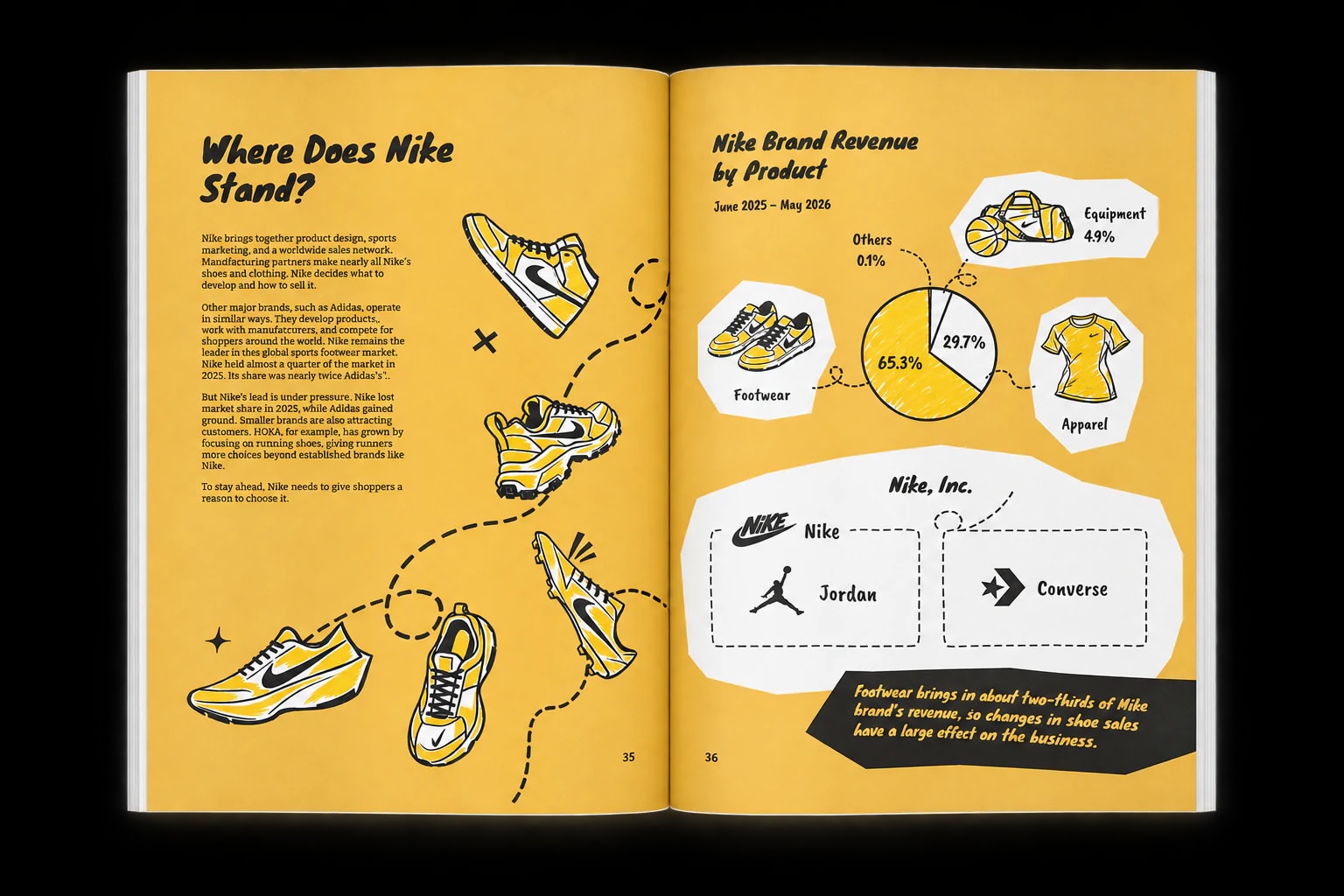
STEP 1Magazine
Open minds with engaging articles
Students read articles on key issues from global business publications, written for their grade by finance education experts from Harvard, London Business School and SNU.
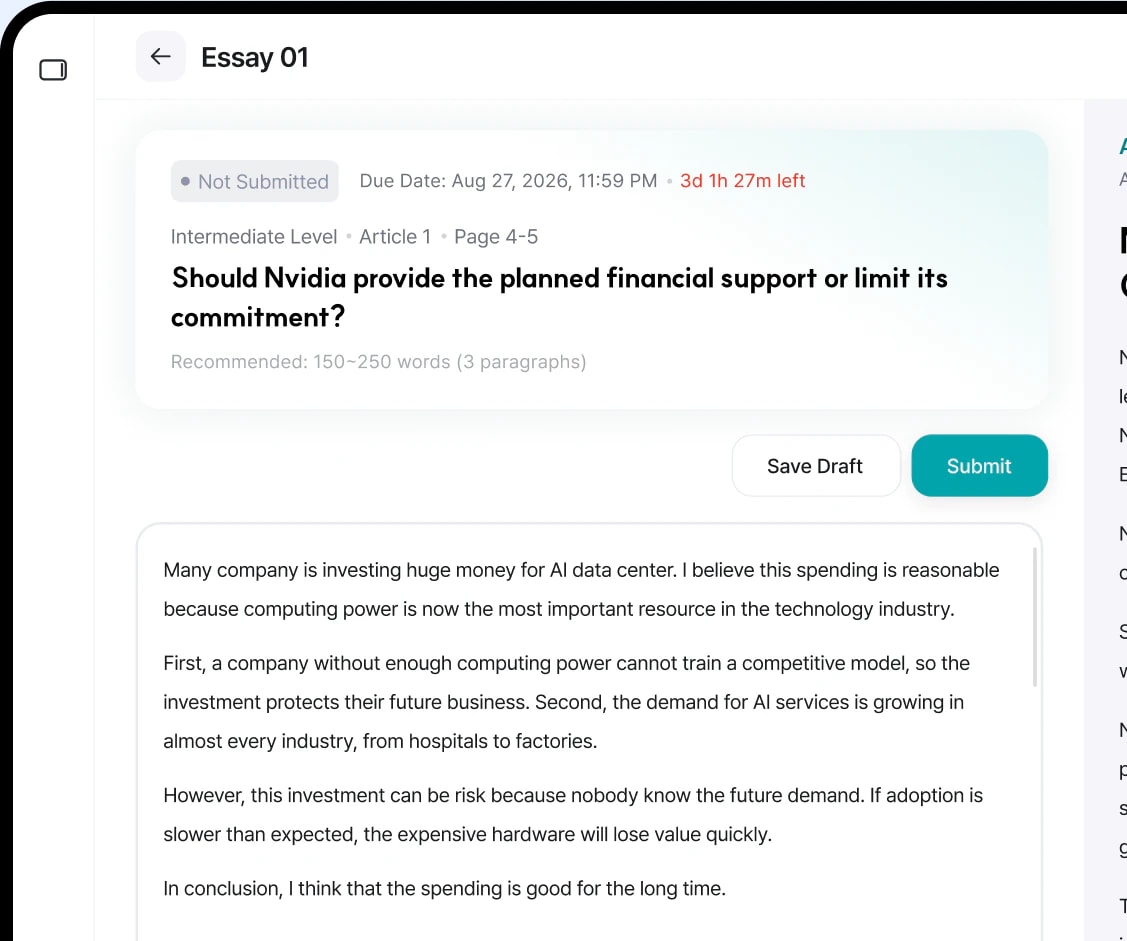
STEP 2KBR Studio
Turn ideas into essays
Using the figures and evidence in each article, they express their ideas in a well-structured essay.
STEP 3Mentoring
Coming SoonVideo lessons with top-university mentors
Through discussion and essay feedback with a mentor, they learn to express their ideas in English.
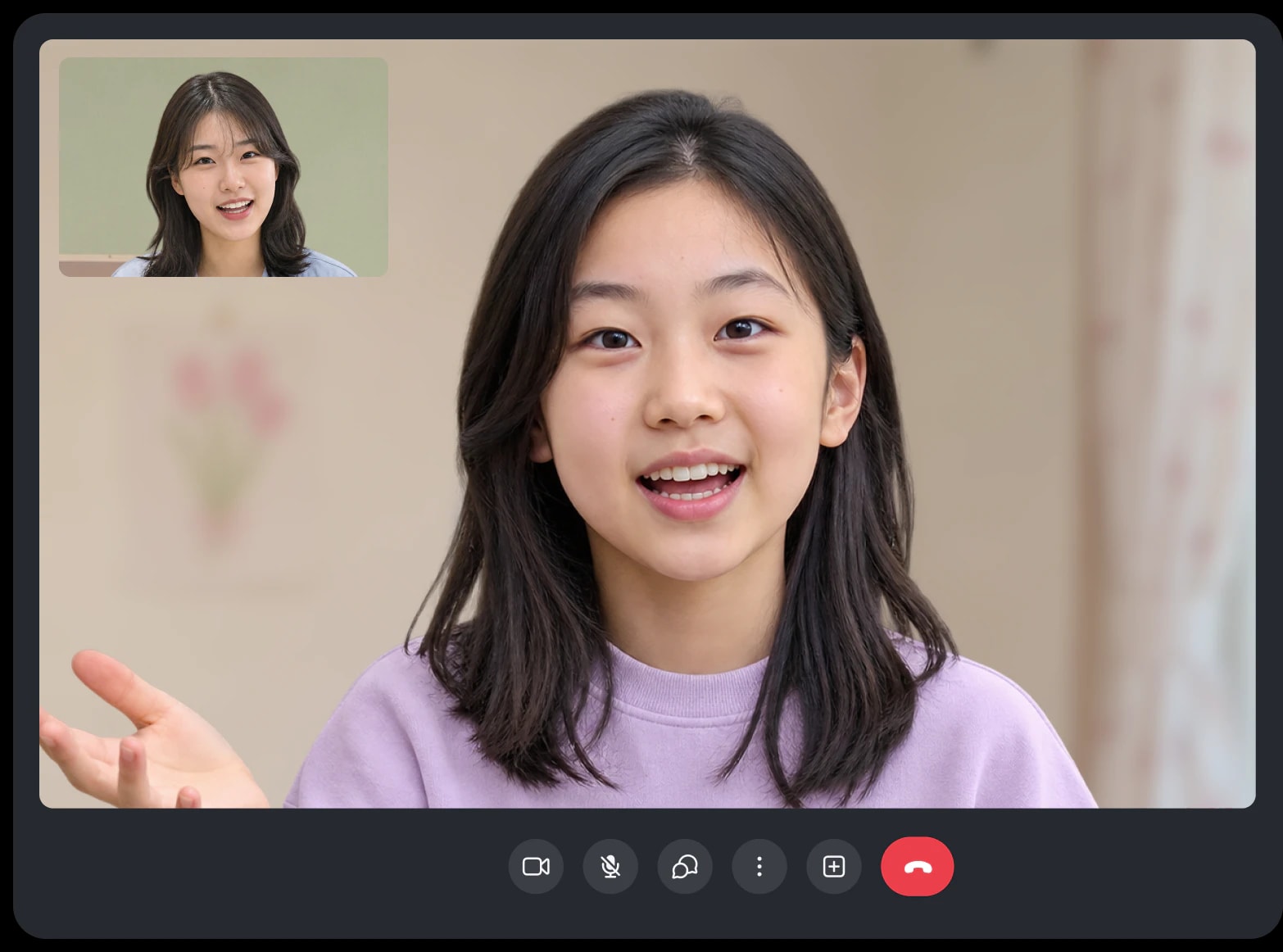
1:1 video lessons with SKY and Ivy League mentors, hand-picked by Katsby
Not everyday conversation practice: in-depth discussion of quality finance content teaches students to express their ideas in English.
Who Your Child Becomes
A child who understands the economy, thinks for themselves
and speaks thoughtful English
01
Articles written by experts from Harvard, LBS, SNU and KAIST
Timely issues from the global business press, rewritten for each grade level.
02
Not the answer, but the power to judge
Students argue their view with evidence on questions with no single right answer. Rather than giving answers, the AI editor and mentors draw out each child’s thinking through questions and discussion.
03
Read great English, speak great English
Students read high-quality English articles and have in-depth conversations with mentors from top universities. It’s the surest way to grow their English.
2-Week Journey
The KBR two-week cycle
Week 1Read, discuss and broaden their thinking
01
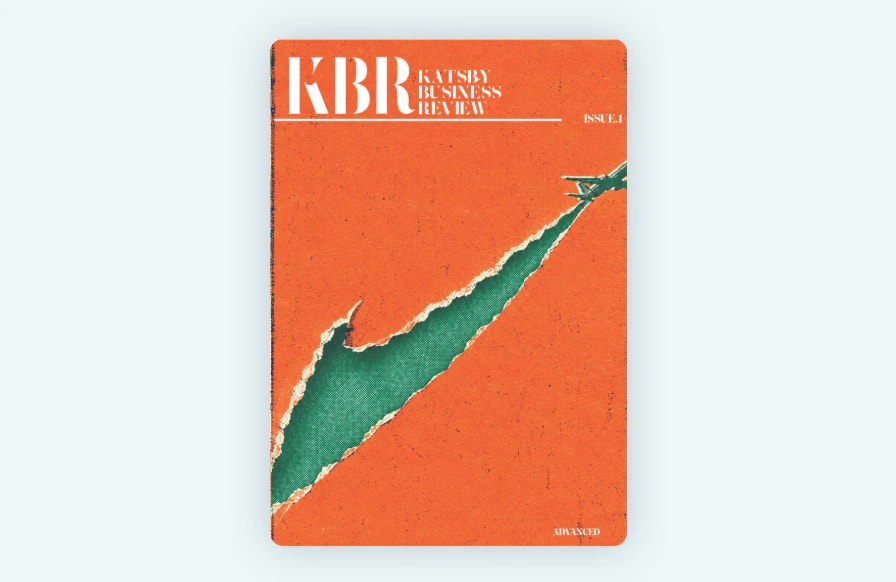
A new issue every other Monday
Print and online editions
02
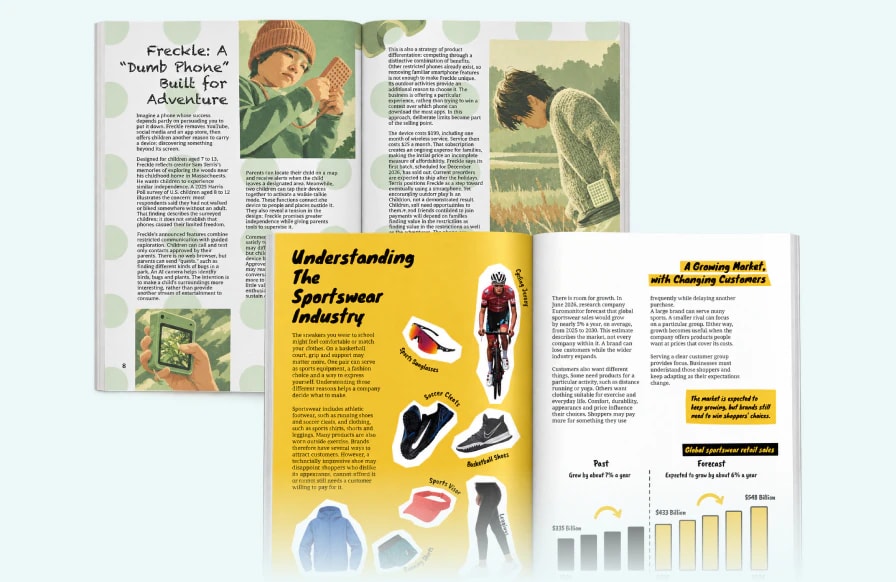
Explore the stories in the issue
Key issues across companies and the economy
03
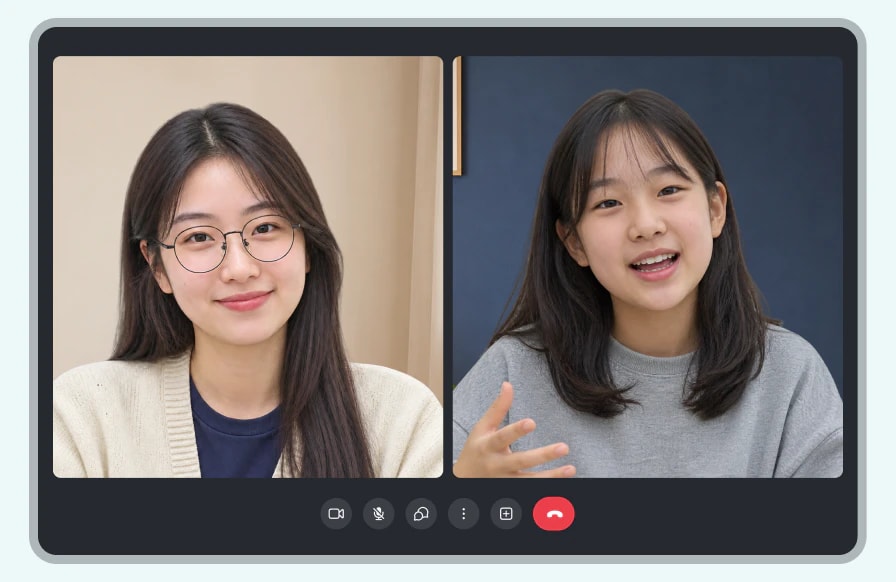
Brainstorming lesson with a mentor
Talk through the most interesting article
Week 2Write, refine and dig deeper
04
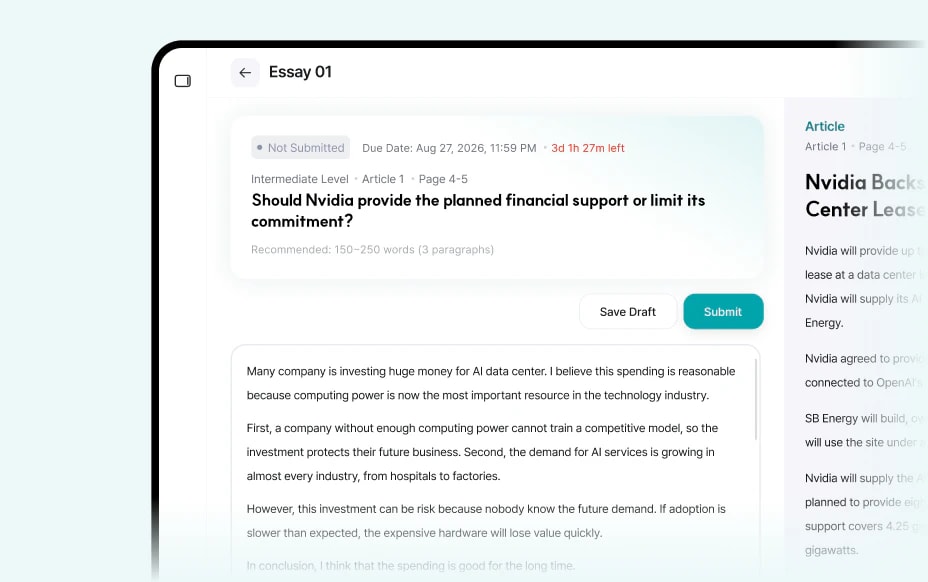
Write an essay
Put their view on the article’s topic into writing
05
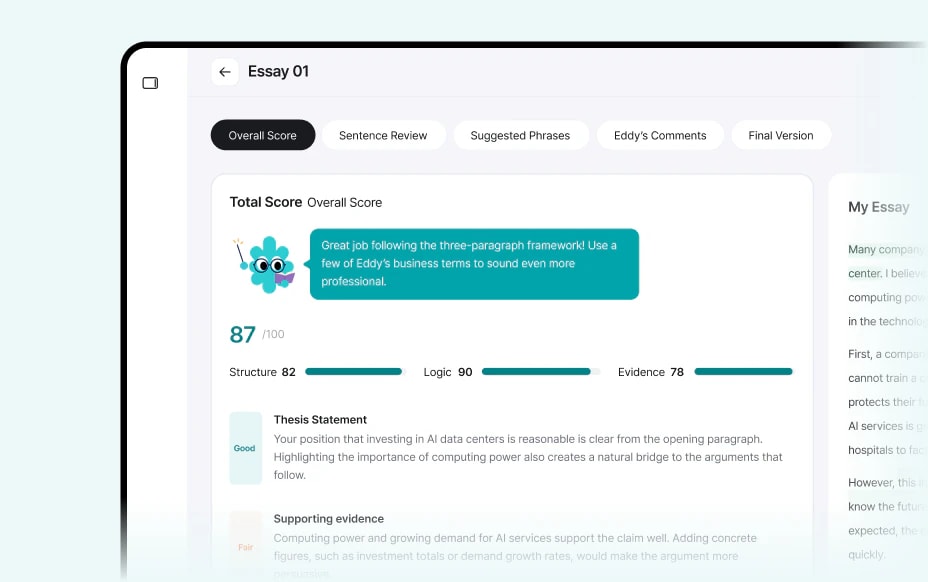
Katsby AI essay check
Beyond grammar, it assesses the structure of their thinking
06
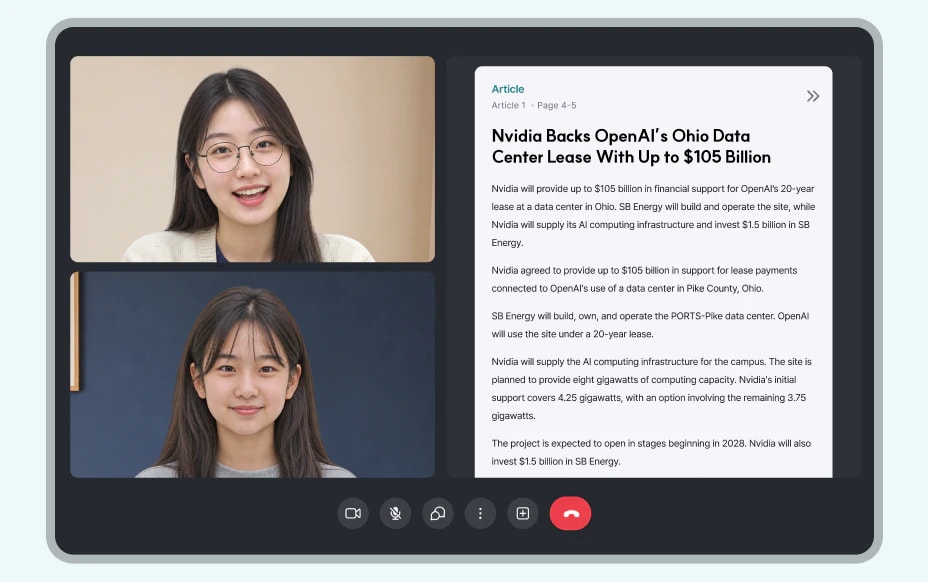
Development lesson with a mentor
Strengthen the logic through questions and feedback
* A KBR subscription runs for four weeks, covering two cycles.
Magazine
High-quality finance & economics content for kids,
the kind the internet and AI can’t give you
By experts from Harvard, SNU and KAIST
Key issues from world-class business publications, made easy for students
Built on global weeklies like The Economist and The Wall Street Journal,
each issue explains the topics students need to understand the world.
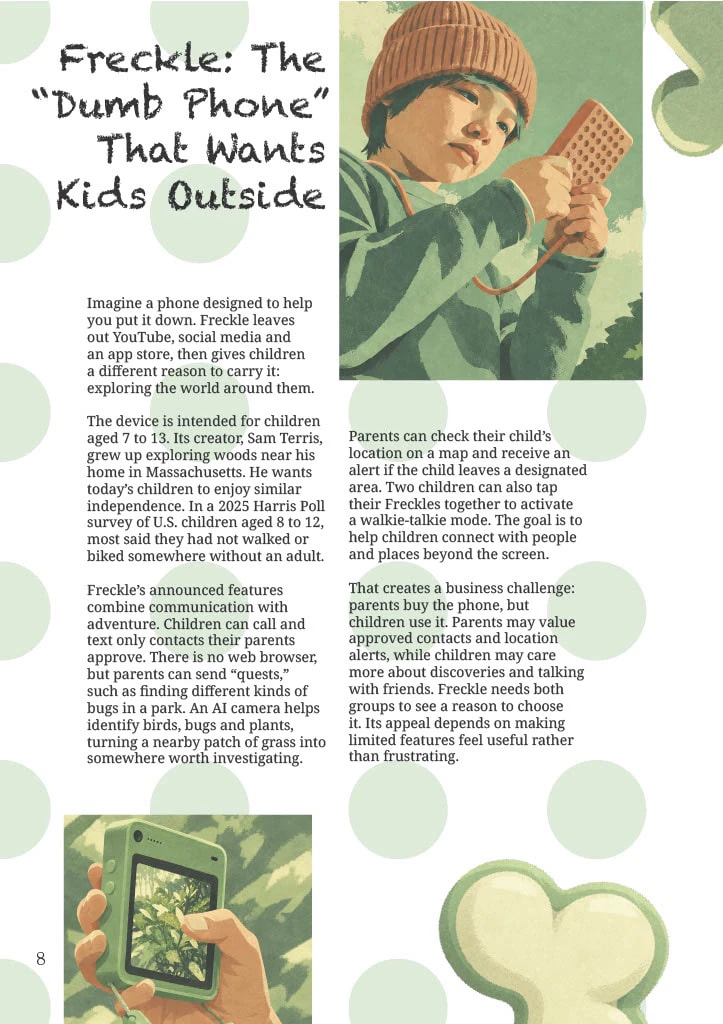
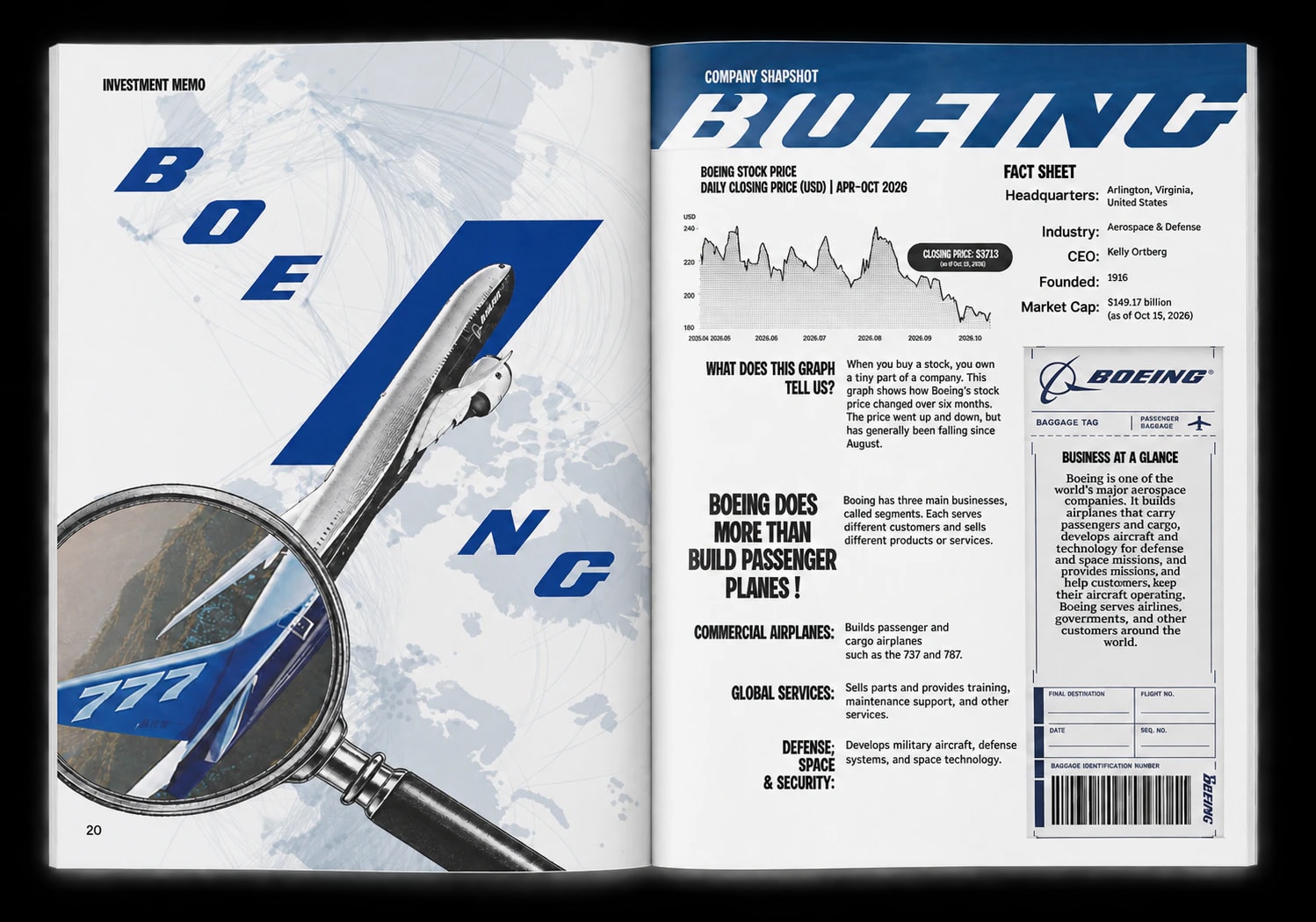
Economics beyond the textbook, a financial sense for reading the world
Business and economics knowledge, built through company stories and articles
Reading how global companies make money and why they spark debate, students build background knowledge for competitions and research.



A foundation for the SSAT and SAT
Advanced vocabulary and long-form reading,
learned naturally
From business vocabulary to finding the key points of long texts, the magazine builds the skills students need for the SSAT and SAT.
KBR Studio
Beyond reading: the power to put their ideas into writing
Students don’t just take in what an article says. They form their own opinions from the evidence and express them in persuasive writing.
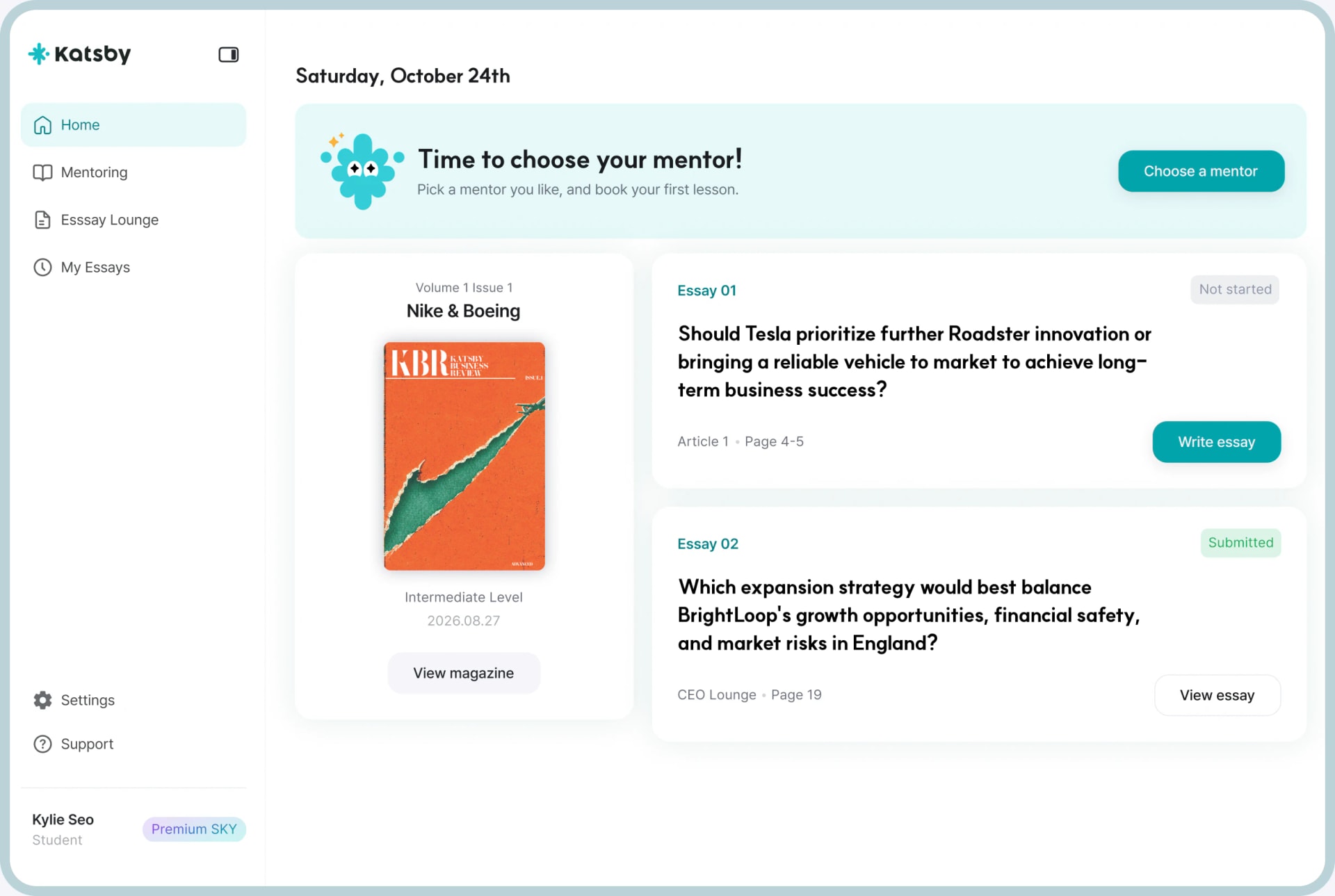
“If you were the CEO of Nintendo, what would you launch next?”
“Should kids get paid for doing chores?”
Essay & AI Feedback
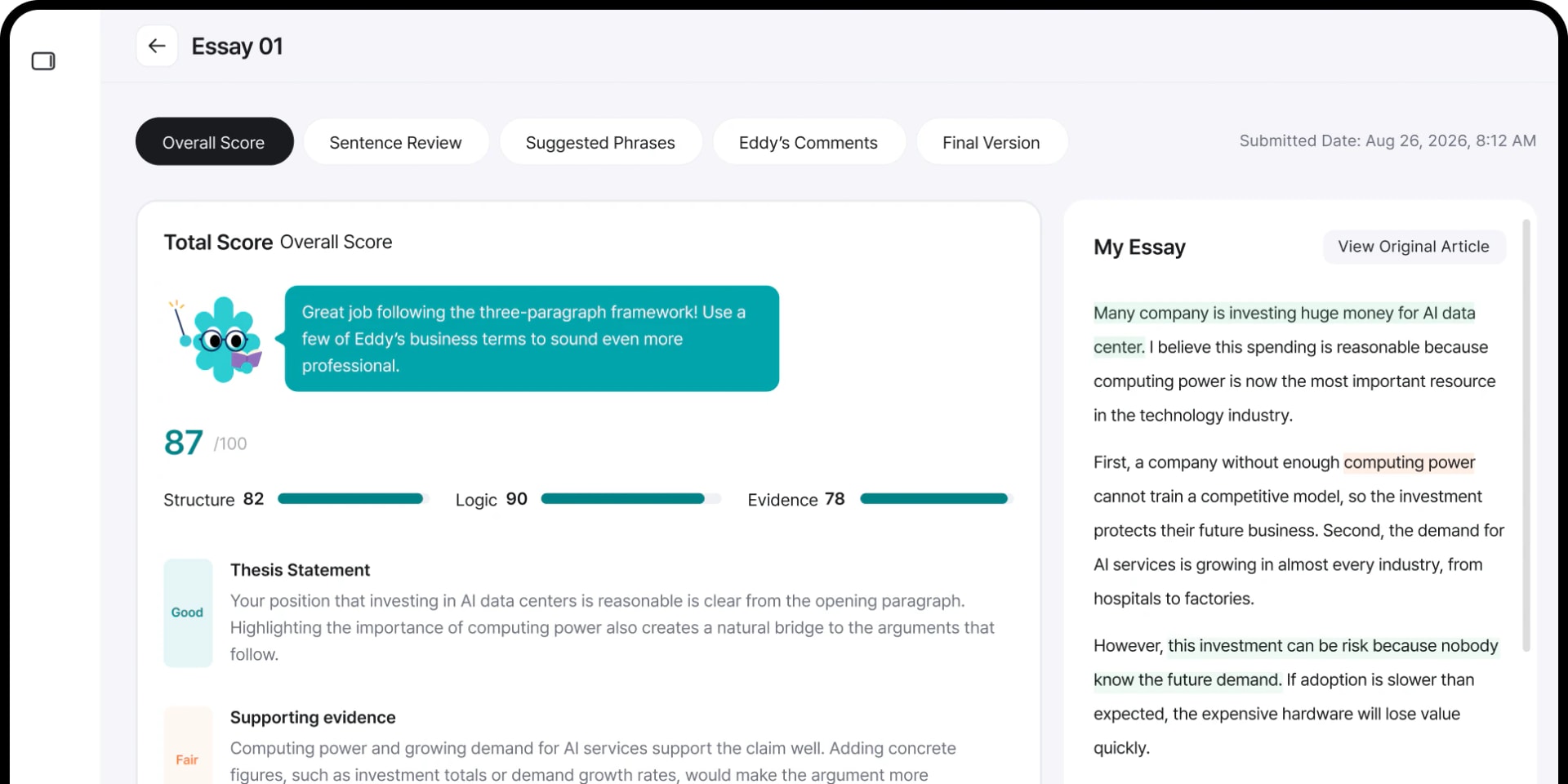
Katsby AI looks beyond grammar
to the logic of the essayKatsby AI doesn’t stop at basic English grammar. It evaluates logical structure: whether the argument is clear and the evidence is enough.
Essay Lounge
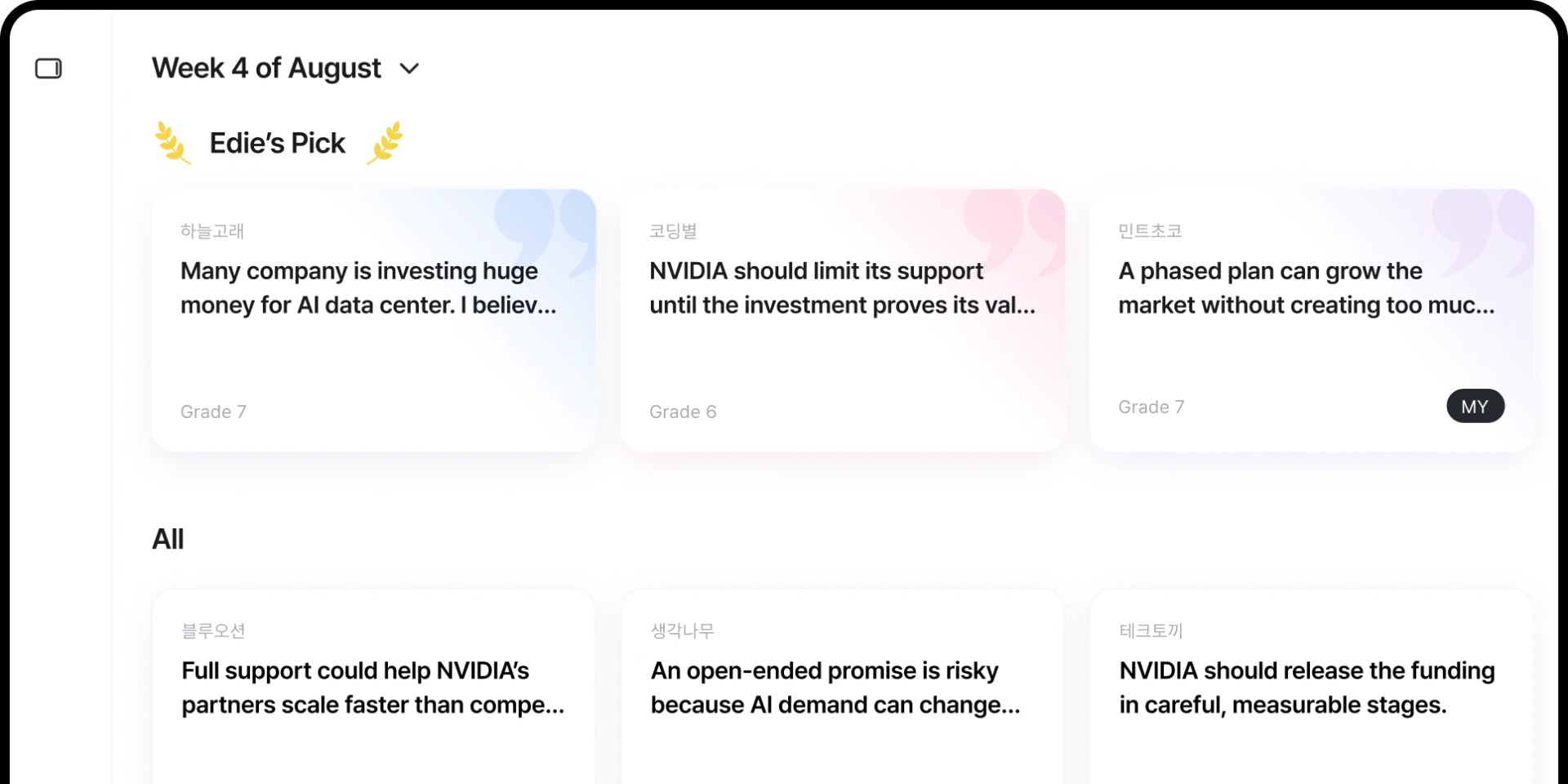
Discover new ideas in peers’ writing
In the Essay Lounge, students see what peers wrote on the same topic and meet a range of arguments and evidence.
1:1 Mentoring
A SKY or Ivy League mentor, hand-picked by Katsby, works 1:1 with your child
- A dedicated mentor for 4 weeks, with close 1:1 care
- 4 online lessons in 4 weeks (30 min each)
- A feedback note from the mentor after every lesson
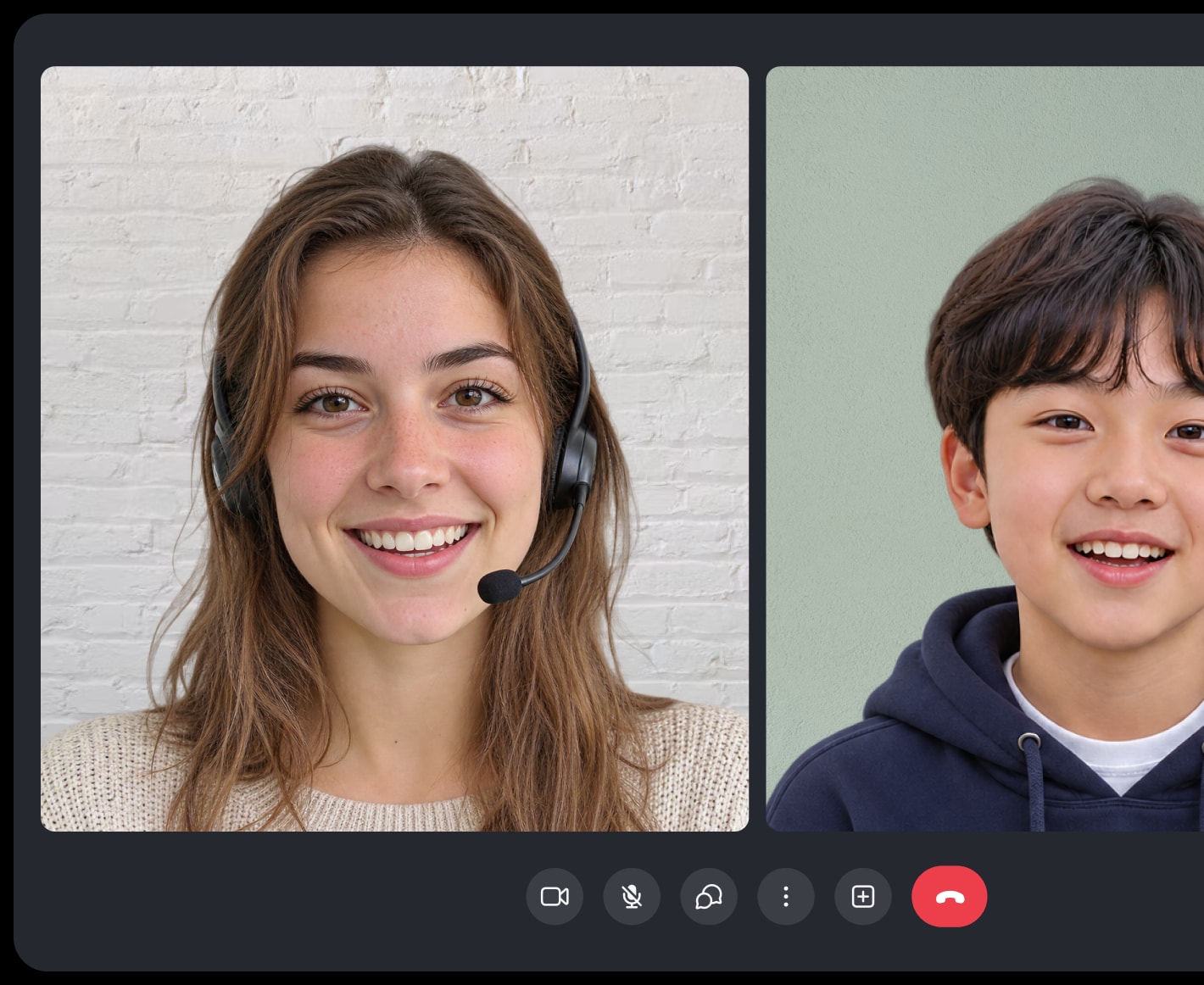
Katsby mentoring isn’t just conversation practice. It builds the power to think in English.
- If you were a Netflix user,
would you keep paying? - Yes. Netflix has shows I can’t watch
anywhere else, so I’d keep paying for it. - That’s you. But would most people agree?
What did the article show? - It said Netflix still gained subscribers
after raising its prices. - Then can Netflix keep raising prices forever?
Where’s the limit? - No. If cheaper apps make better shows too,
people will leave. Unique shows are the key.
Not casual small talk
Deep discussions with top university students
Challenge my idea
Push back on the mentor’s questions with my own evidence
Beyond grammar correction
Express my ideas logically in English
Brainstorming lesson & Development lesson
Lessons that draw out ideas and finish them in writing
Students find material for their essay in the Brainstorming lesson and turn it into their own writing in the Development lesson. Katsby designs the order and difficulty to fit each child’s stage.
Brainstorming lesson
Students talk through a magazine article with their mentor
and brainstorm ideas for their essay.Development lesson
Based on the last lesson’s discussion, students write an essay
and learn with their mentor how to express it in writing.
Verified by Katsby
Katsby personally vets and selects every mentor.
Identity, education and profile checks
Thorough checks of enrollment and graduation
certificates and a profile videoRequired child safety training
Required safety training and a test,
including no contact sharing and emergency responseEnglish skills verified
First screened by official English scores and time abroad,
then a 1:1 mock lesson with a Katsby editorMonitoring to keep quality high
Recorded lessons for safety and a mentor penalty system
keep mentoring quality consistently high
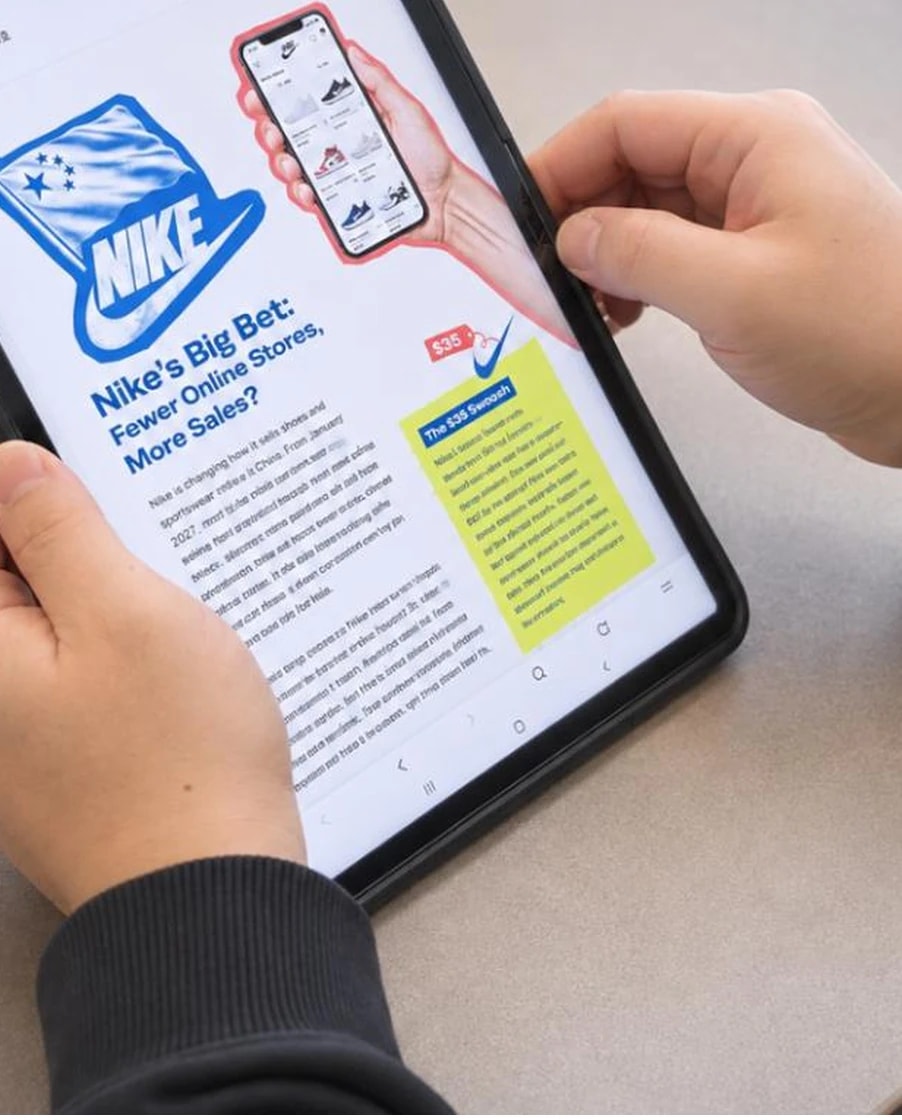
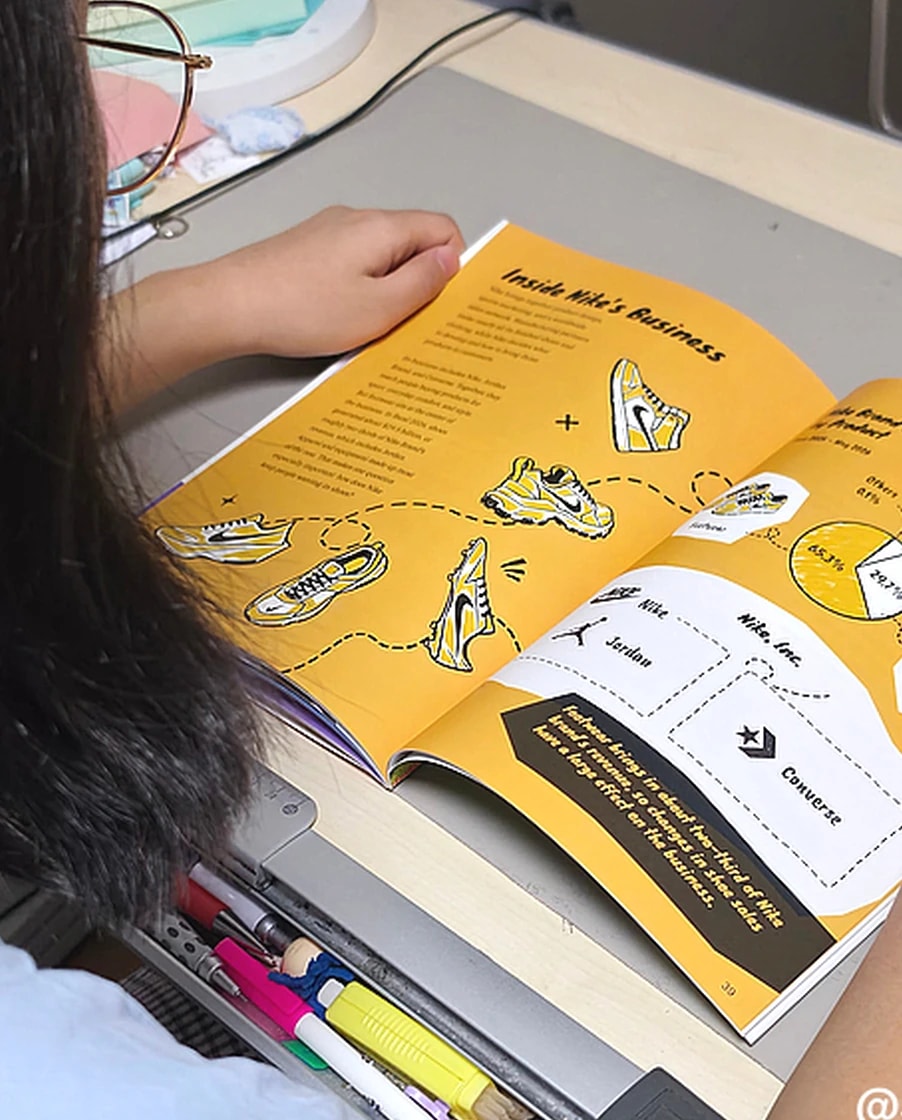
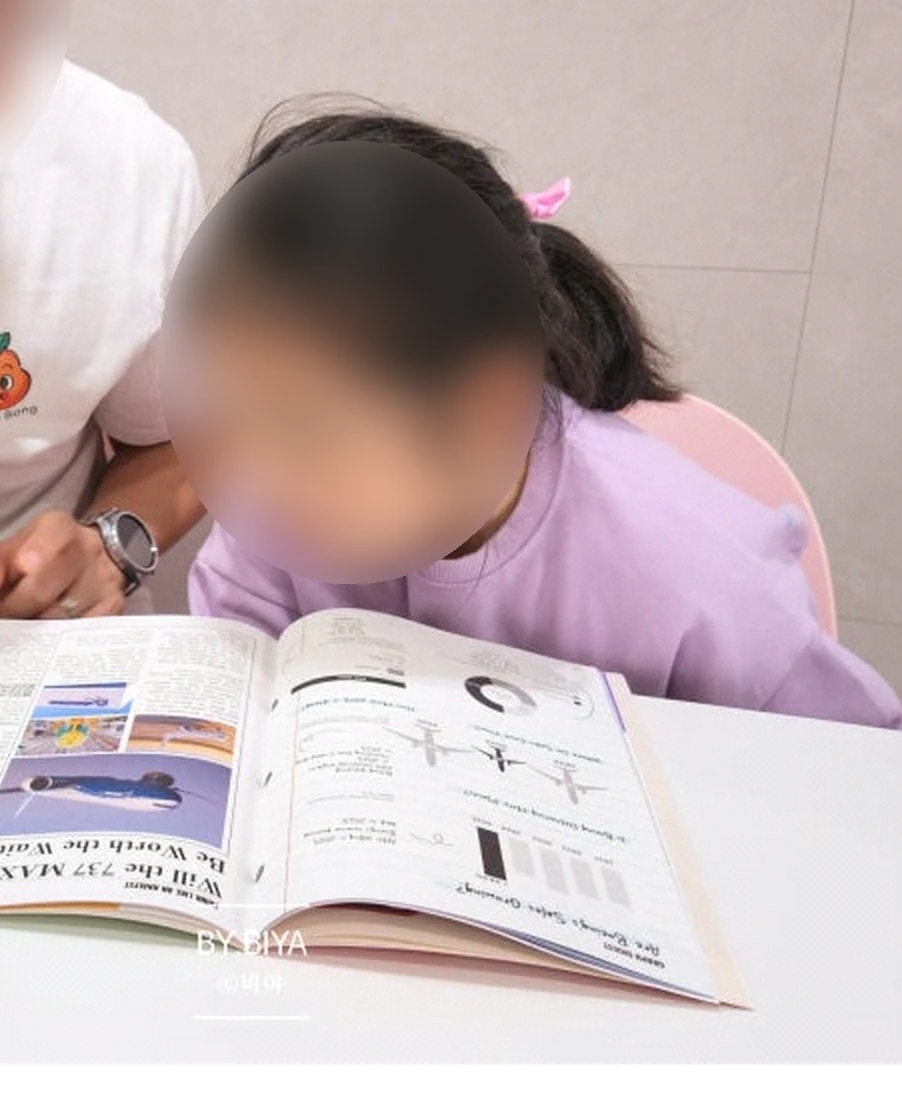
KBR, in parents’ own words
English Level
Don’t worry if it feels hard.
Start at the level
that fits your child.
Levels are chosen by English reading and writing,
and reasoning skills, not by grade alone.
Basic
Recommended for grades 4-5
Students read short articles and respond in a paragraph.
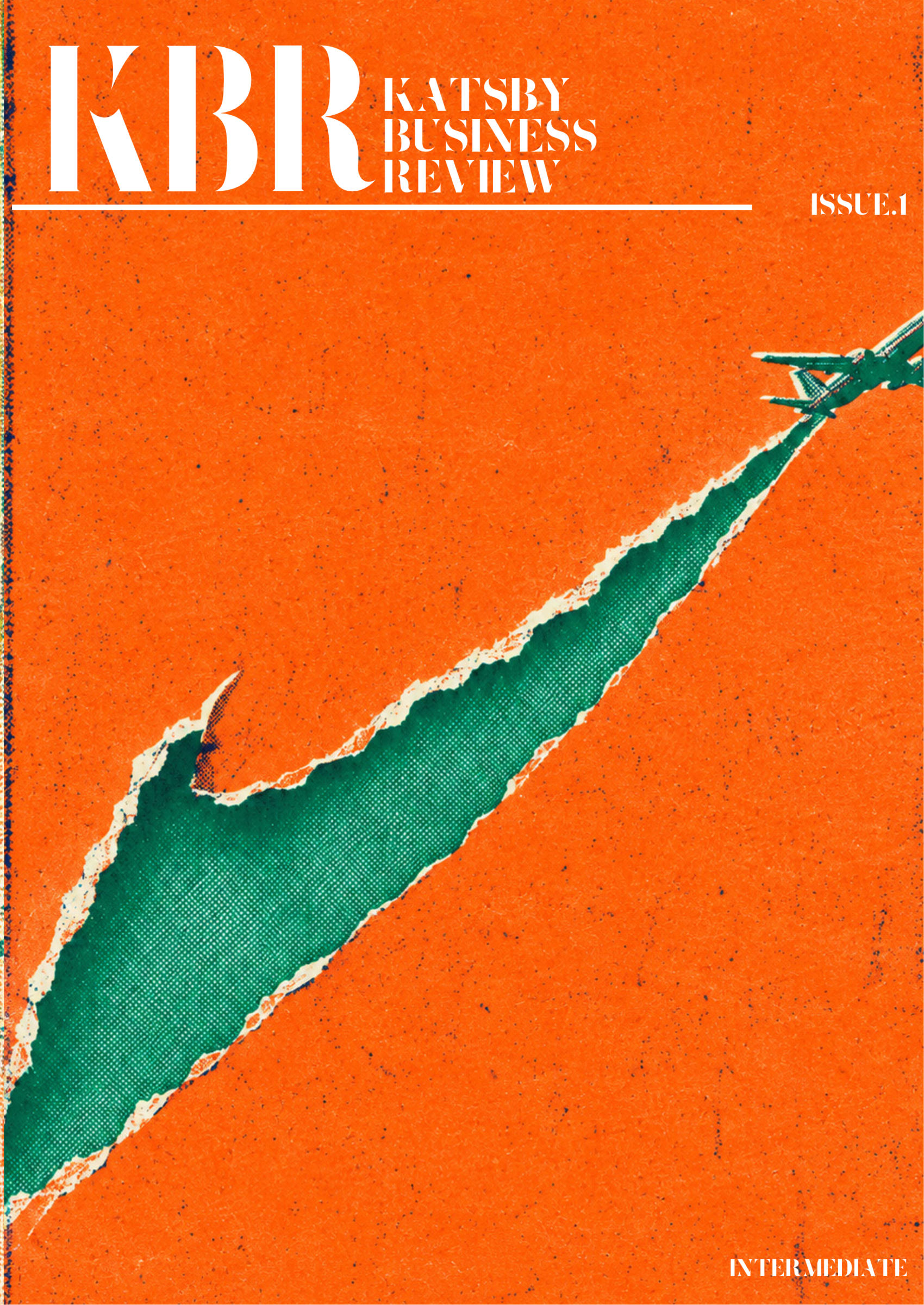
Intermediate
SSAT-upperRecommended for grades 6-7
Students write a full essay with reasons and evidence.
Advanced
SAT-alignedRecommended for grades 8-9
Students compare both sides and argue their position persuasively.
Meet Our Editors
Created by finance education experts from top global schools.

CEO
Ray Park
- London Business SchoolMSc in Financial Analysis
- King's College LondonBSc in Mathematics with Management & Finance
- Former Accountant, PwC UK

Head of Curriculum & Learning
Jasmine Lee
- Harvard Graduate School of EducationMA in Education
- Wellesley CollegeBA in Psychology
- Former Curriculum Developer, Chungdahm Learning

Head of Growth & Partnerships
Haru Park
- KAISTPhD in Business and Technology Management
- KAISTBSc in Computer Science
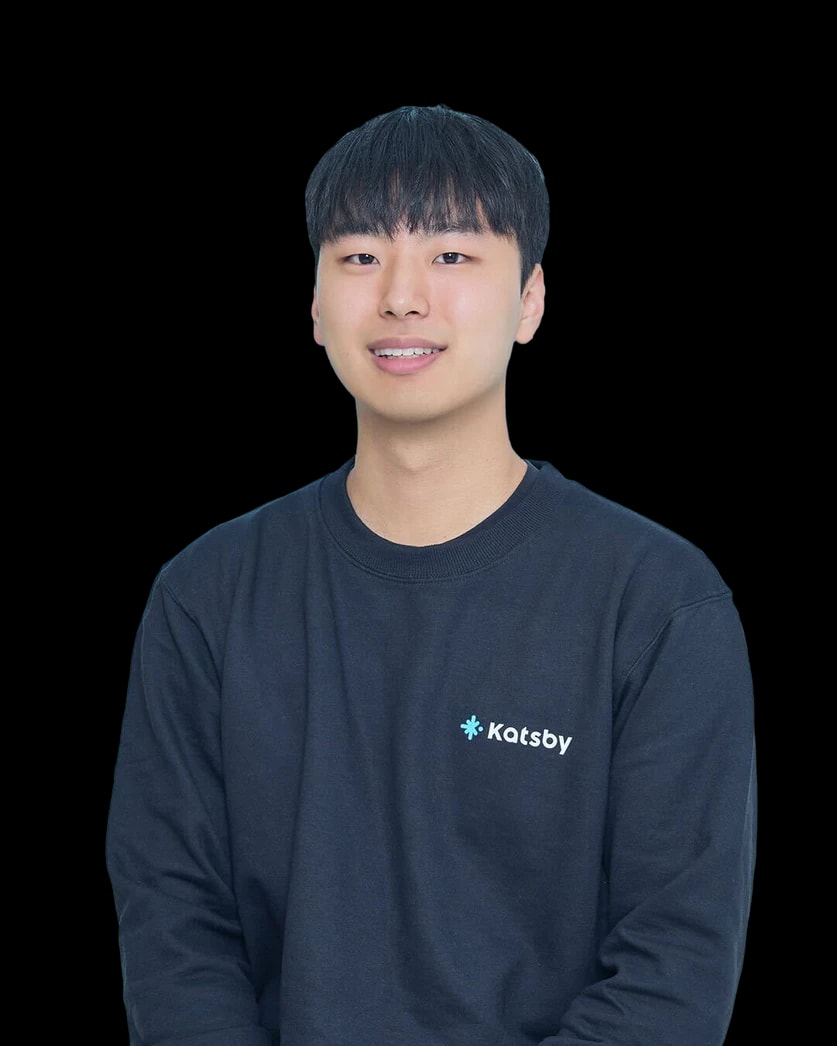
CTO
Carl Yun
- Seoul National UniversityBSc in Computer Science and Engineering
- Former Software Engineer, Kakao

Global Partnerships Manager
Josh Park
- Cornell UniversityBSc in Chemical Engineering
- Former Product Developer, Mondelez International
Pricing
The right plan for your child
All plans are 4-week subscriptions. Prices include VAT.
KBR Membership
₩59,000/4 weeks
- Biweekly KBR magazine (Print + Digital)
- AI essay feedback
- Parent report (every 4 weeks)
Mentoring Package
SKY mentoring
+₩100,000/4 weeks
Membership + SKY mentoring
- Everything in KBR Membership
- 1:1 online mentoring with a SKY mentor4 lessons in 4 weeks (30 min each)
- In-depth parent report (every 4 weeks) + mentor feedback notes
Total ₩159,000
Ivy mentoring
+₩200,000/4 weeks
Membership + Ivy League mentoring
- Everything in KBR Membership
- 1:1 online mentoring with an Ivy League mentor4 lessons in 4 weeks (30 min each)
- In-depth parent report (every 4 weeks) + mentor feedback notes
Total ₩259,000
The finance & economics education Korea’s top schools chose
is now available at home.
Get started nowFAQ
Frequently asked questions
Plans & pricing
Q. What plans are there?
The base plan is KBR Membership (₩59,000 / 4 weeks): the biweekly KBR magazine (Print + Digital), AI essay feedback and a parent report (once every 4 weeks). You can add a Mentoring Package: SKY mentoring is +₩100,000 (₩159,000 total / 4 weeks) and Ivy mentoring is +₩200,000 (₩259,000 total / 4 weeks). Every plan is a 4-week subscription, and prices include VAT.
Q. How often does the magazine come out?
A new issue comes out every other week. The print magazine is delivered to your home, and you can also read it right away on the web or a tablet.
Learning
Q. What grades is it for?
Students in grades 4 through 9 start at the level that fits their grade. There are three levels: Basic (grades 4–5), Intermediate (grades 6–7, SSAT Upper Level) and Advanced (grades 8–9, SAT-aligned).
Q. How much do they study each week?
Each new issue starts a two-week cycle. In week 1, students read the articles and talk through their ideas; in week 2, they write an essay, get feedback and refine it.
Q. Does it help with test prep?
Intermediate covers SSAT Upper Level difficulty, and Advanced is built on SAT-aligned vocabulary. These aren’t test-question drills, but students naturally build the vocabulary, long-form reading and evidence-based writing that tests require.
Q. How can I tell if my child is improving?
The parent screen shows essay submissions, scores for structure, logic and evidence, and a national percentile among students in the same grade. Every four weeks we send a report on progress and next goals, and with Premium a mentor note (strengths, fixes and next goals) follows every lesson.
Eddy AI & mentoring
Q. Who are the mentors?
We only assign mentors who are students or graduates of SKY or Ivy League–level universities and who have passed academic and English verification, a mock English lesson interview, an identity check and child-safety training.
Q. How does mentoring work?
One mentor works with your child for four weeks: four 30-minute 1:1 video lessons, once a week. Book the times that suit you and change or cancel for free up to 24 hours before. Lessons can be in English or a mix of English and Korean. If needed, you can increase to up to two 1-hour lessons a week.
Q. Can we choose the mentor?
Yes. Choose a mentor yourself after viewing their profile and intro video, and switch if it isn’t a good fit.
Q. When does mentoring start?
Mentoring officially launches on November 30.